WOOD FENCES FOR YOUR HOME
Cedar & Pressure Treated Fence ConstructionRegina Wood Fence Contractors
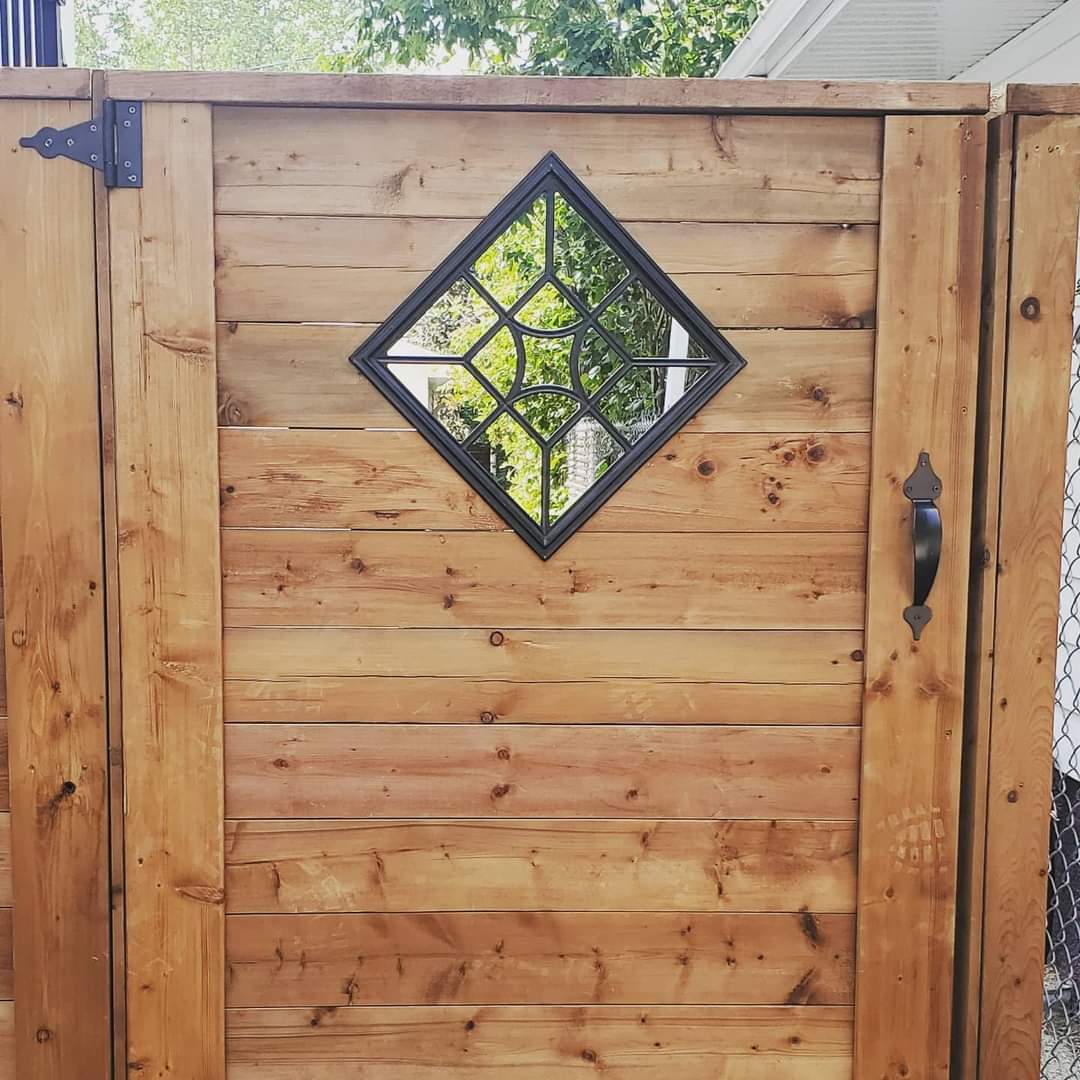
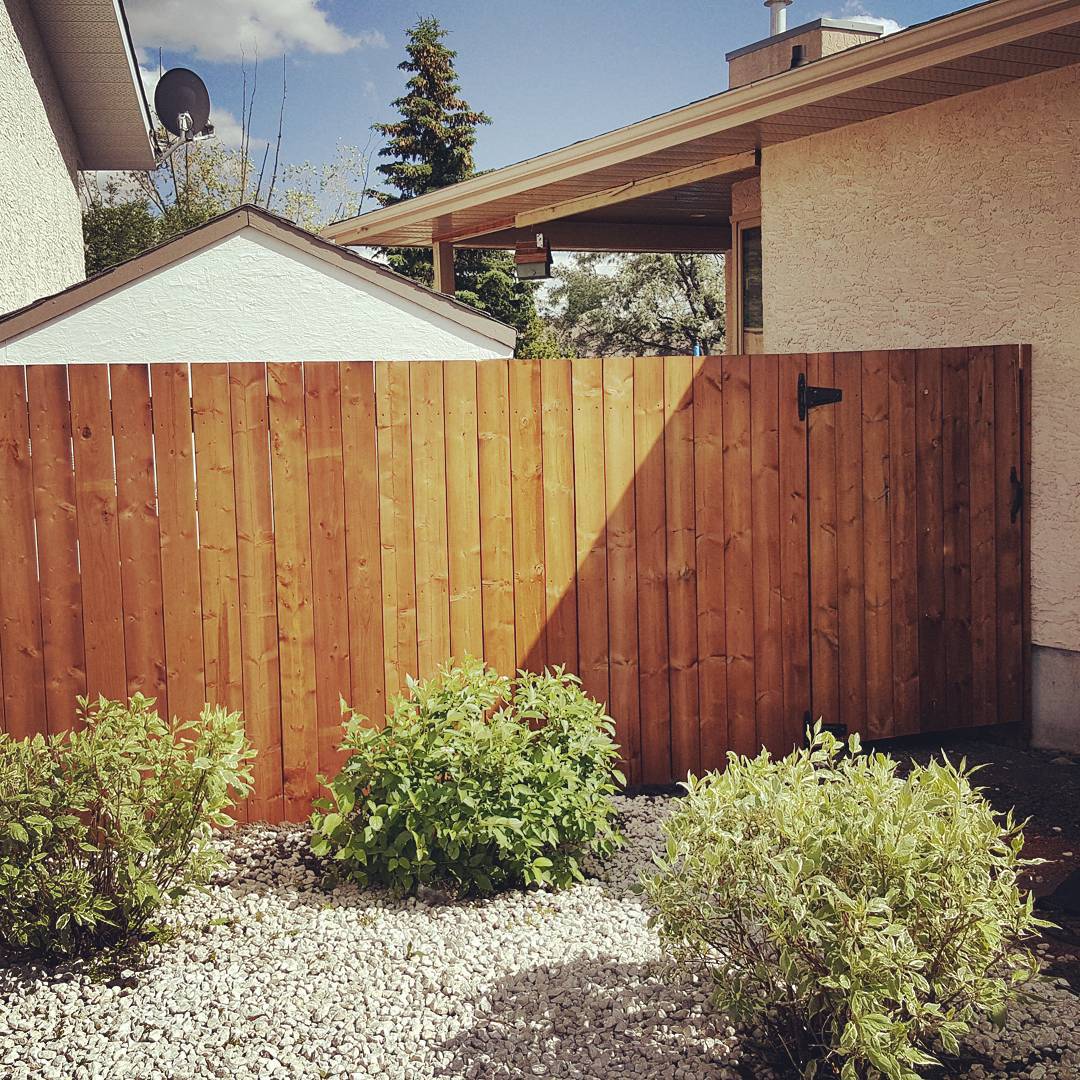
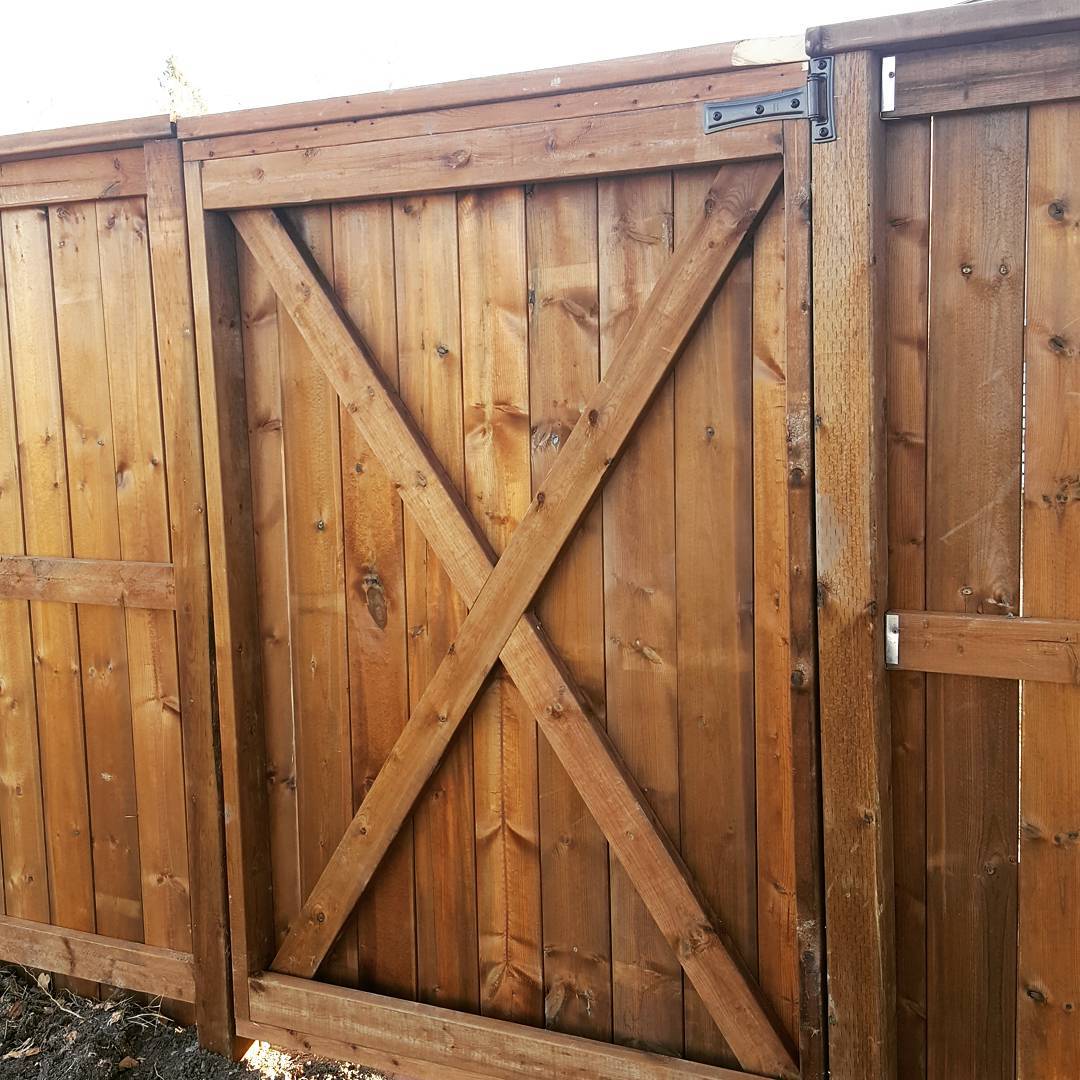
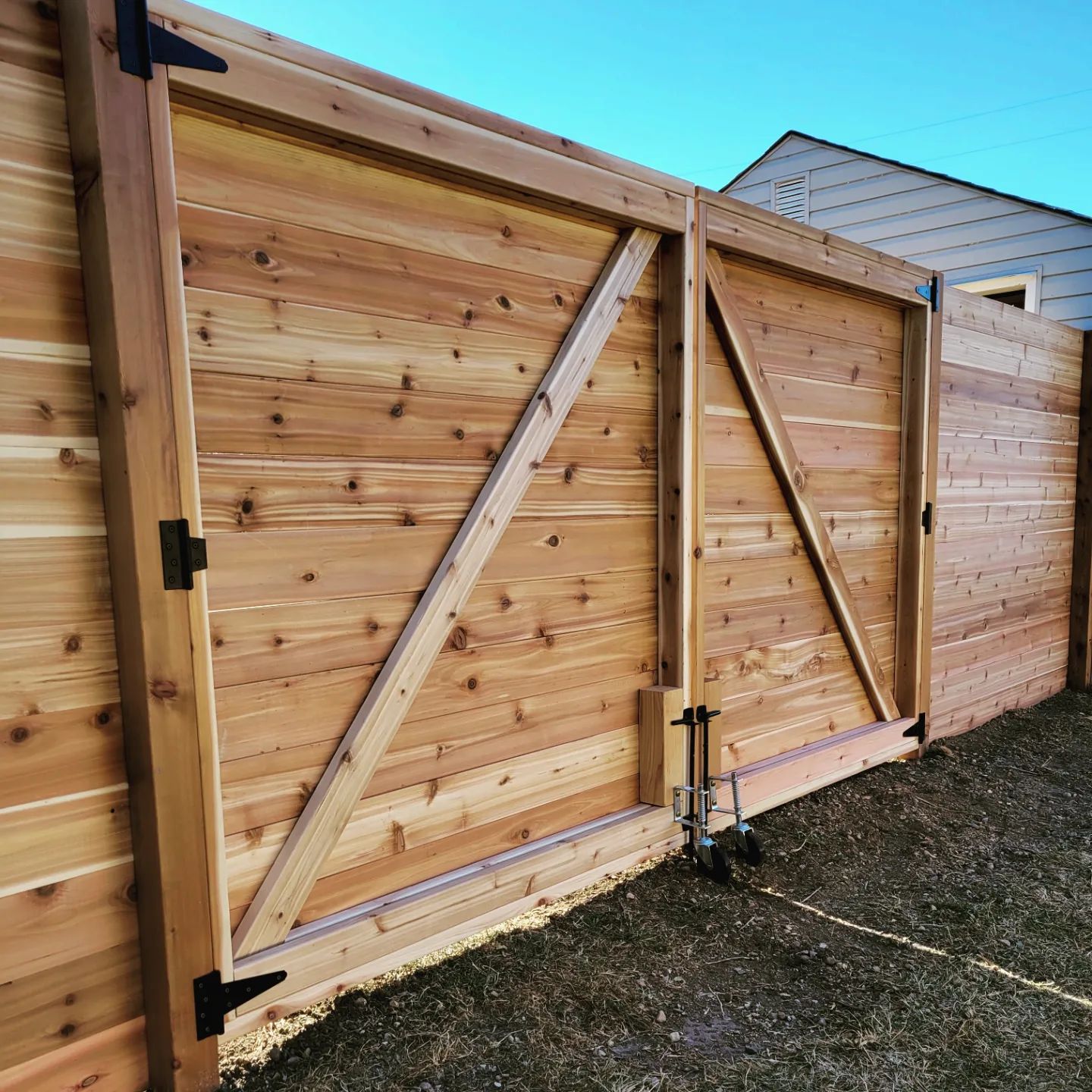
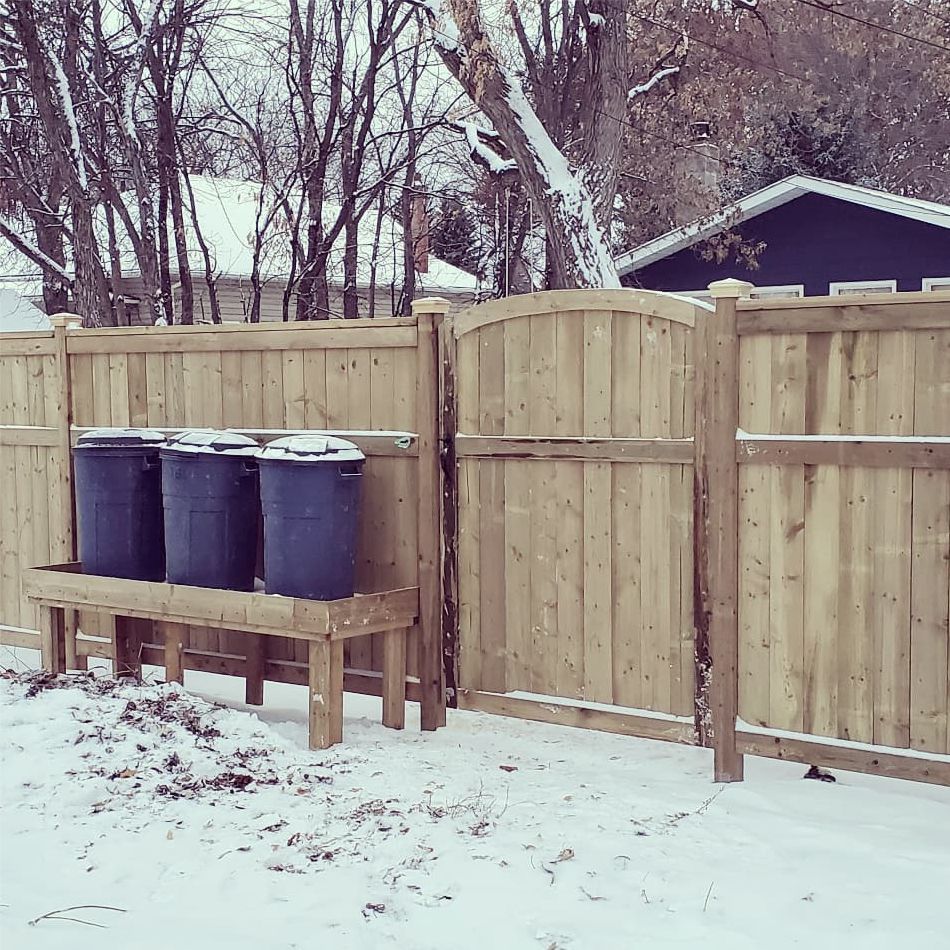
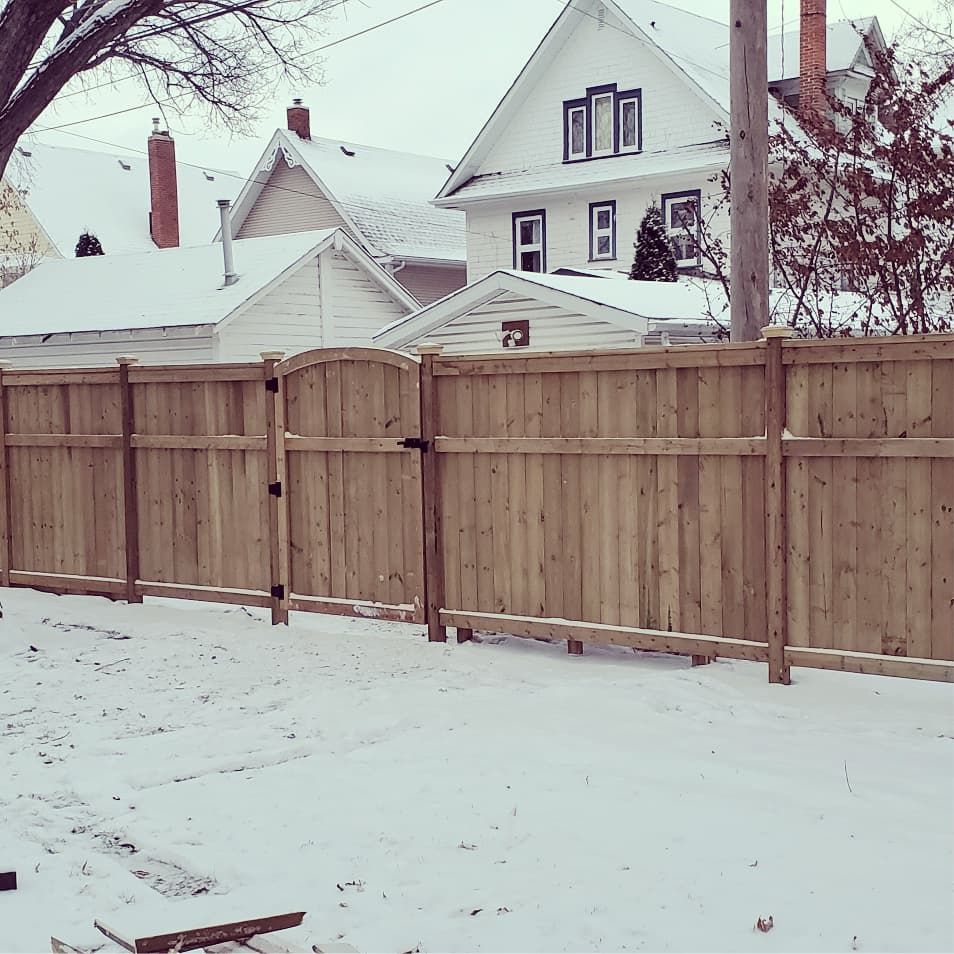
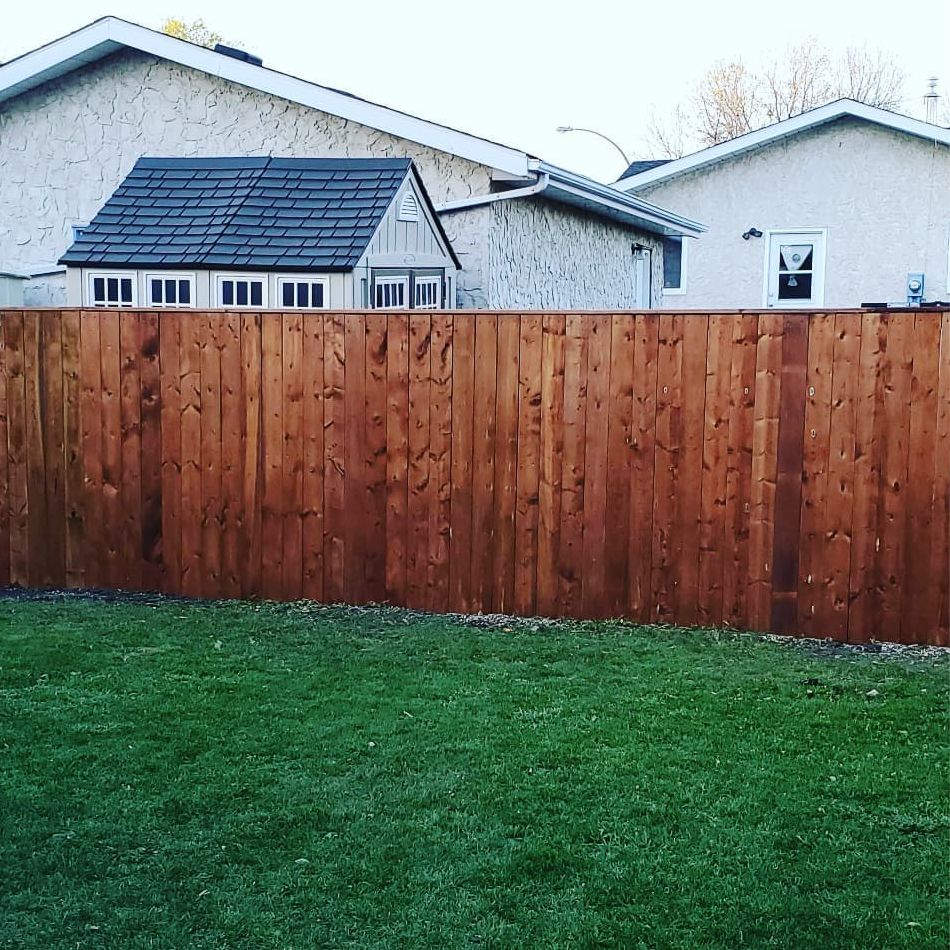
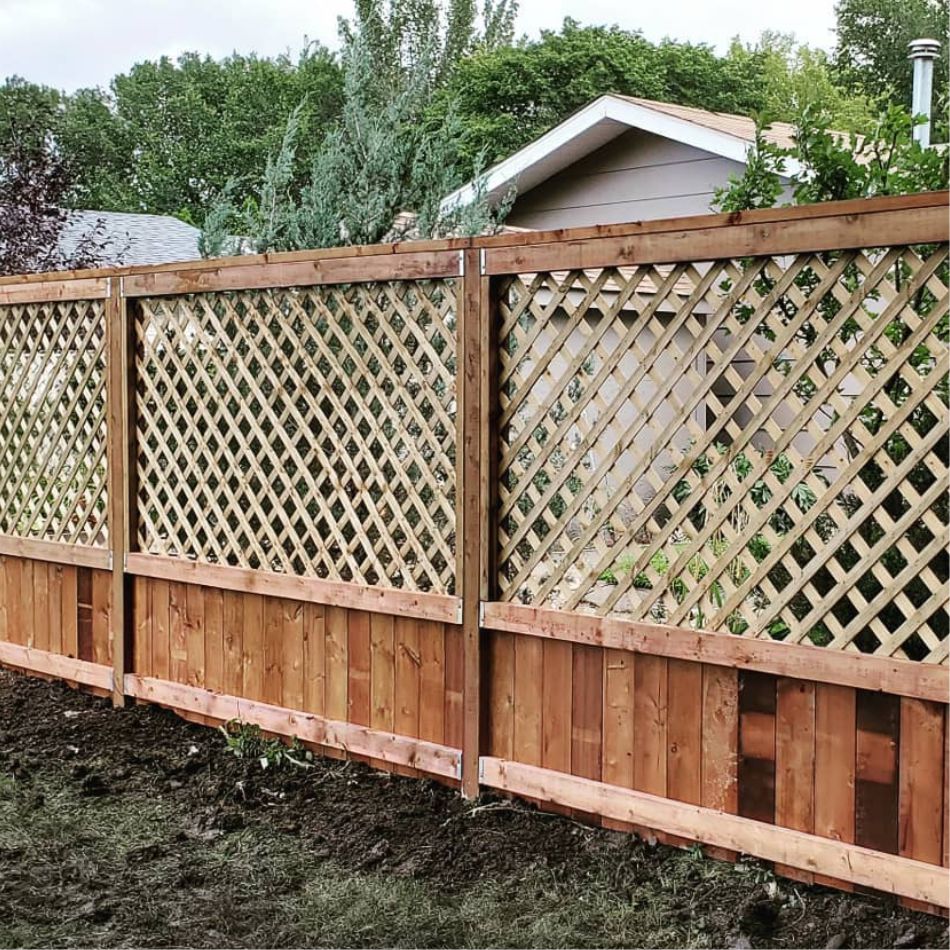
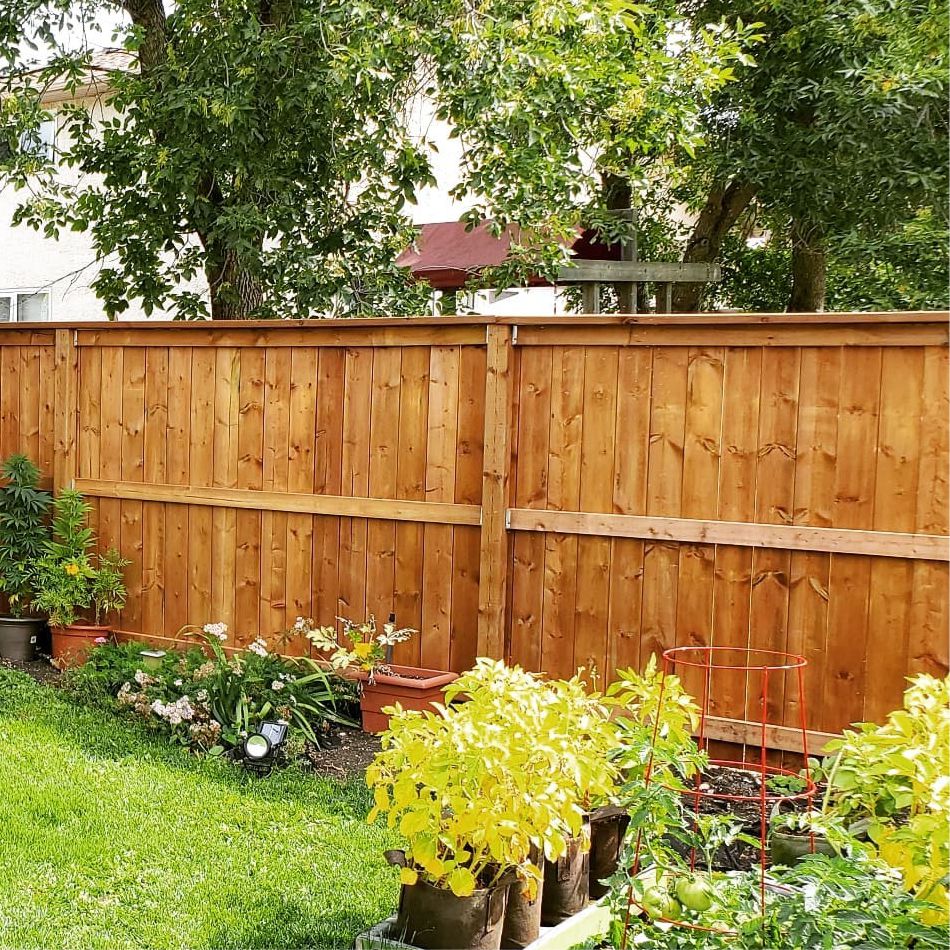
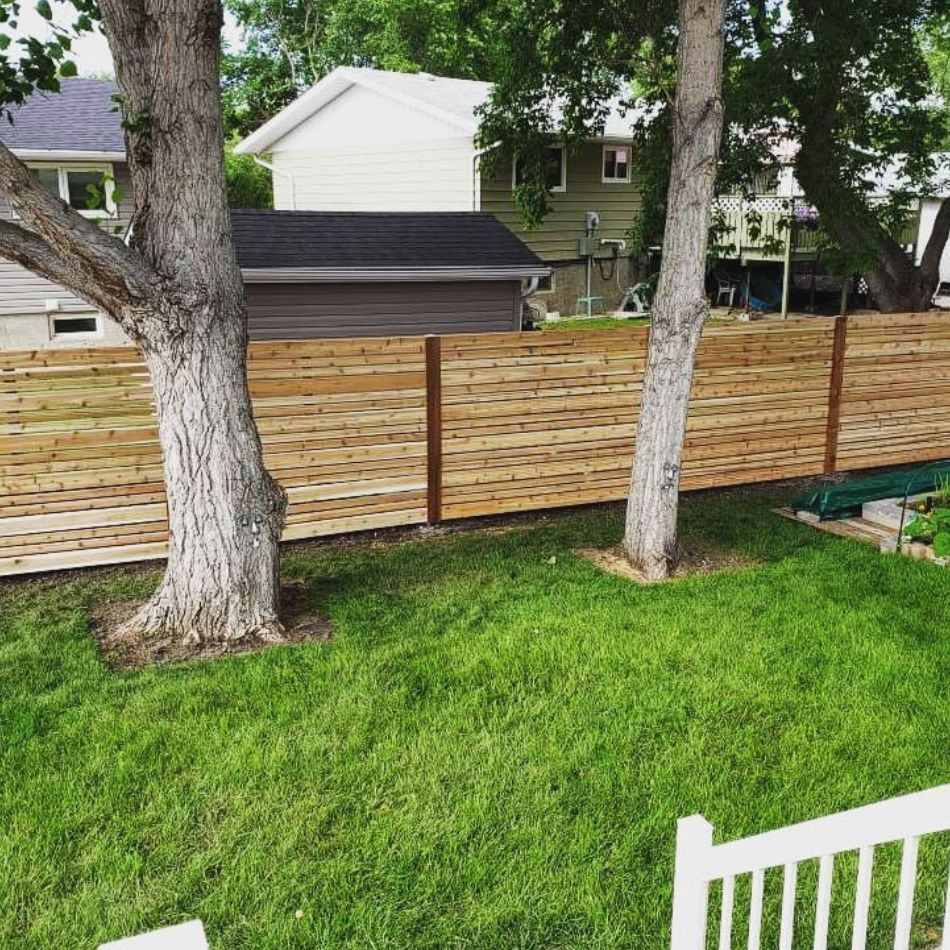
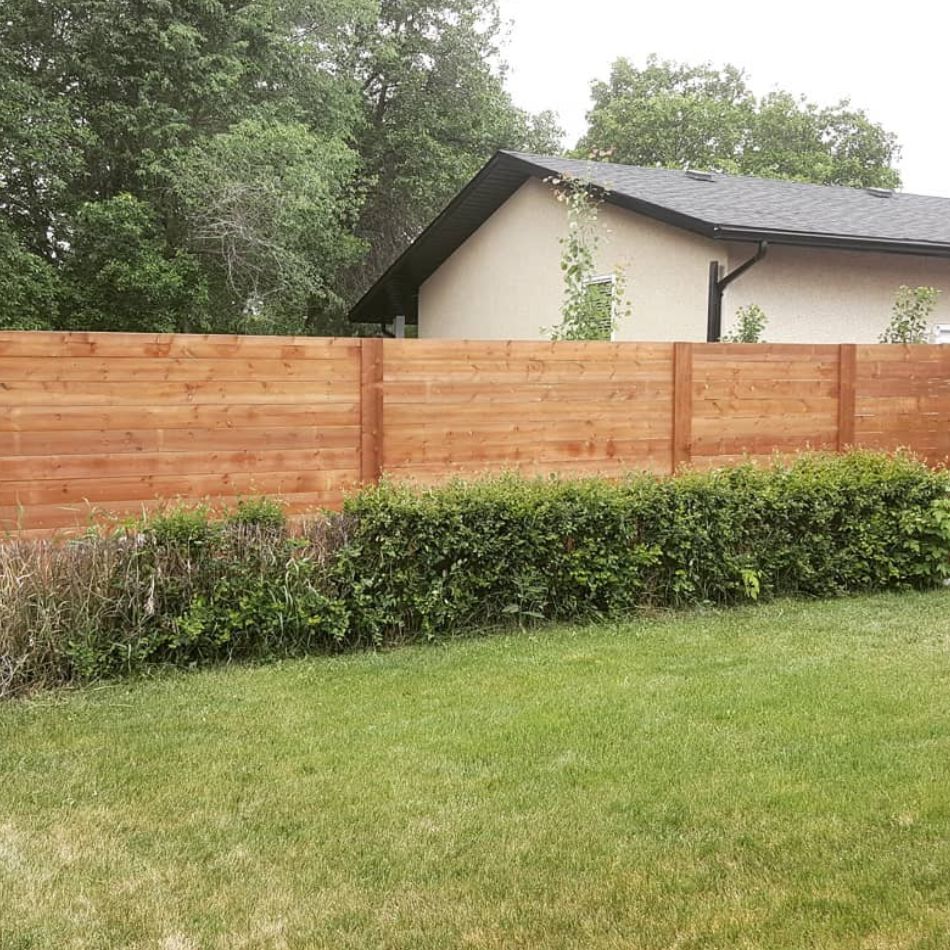
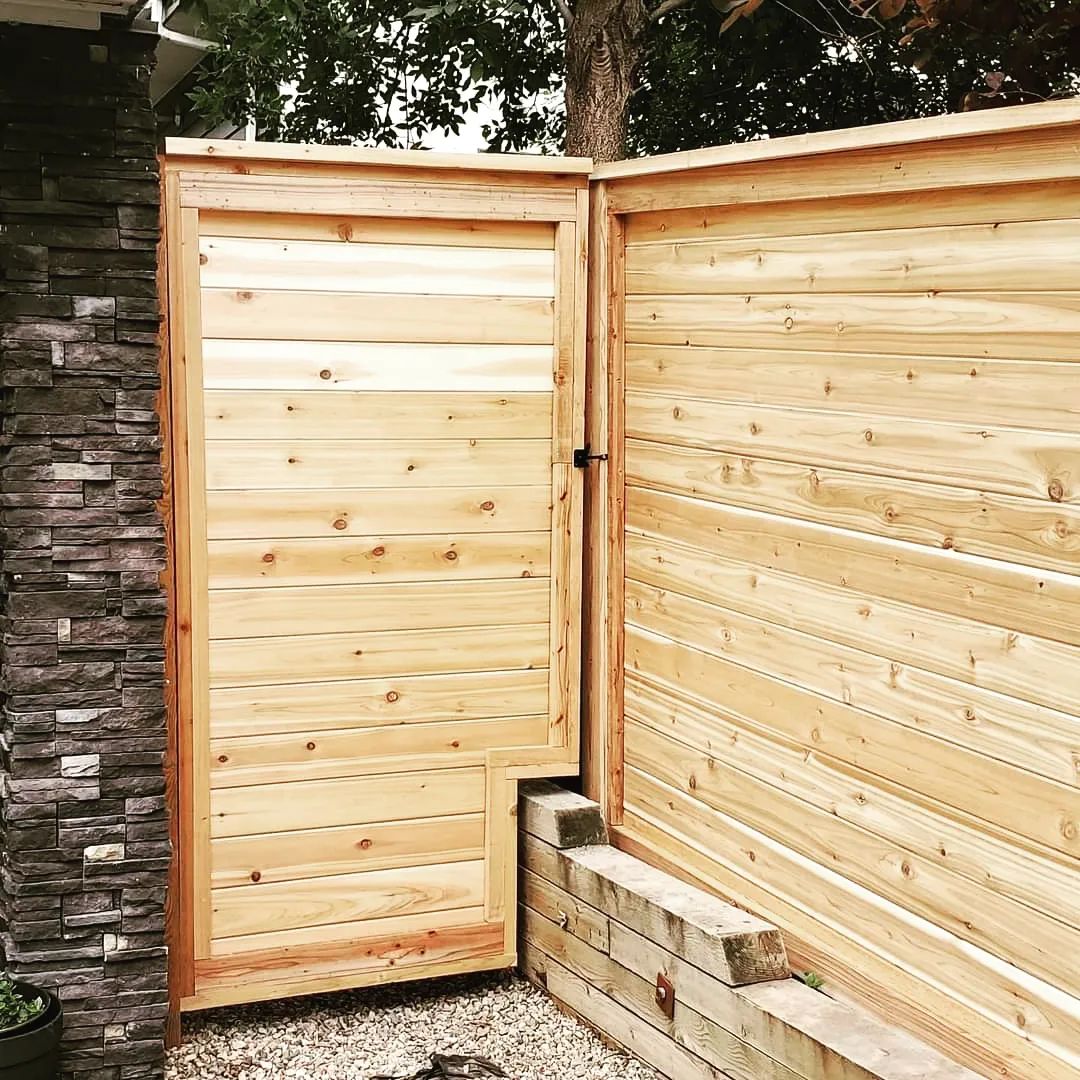
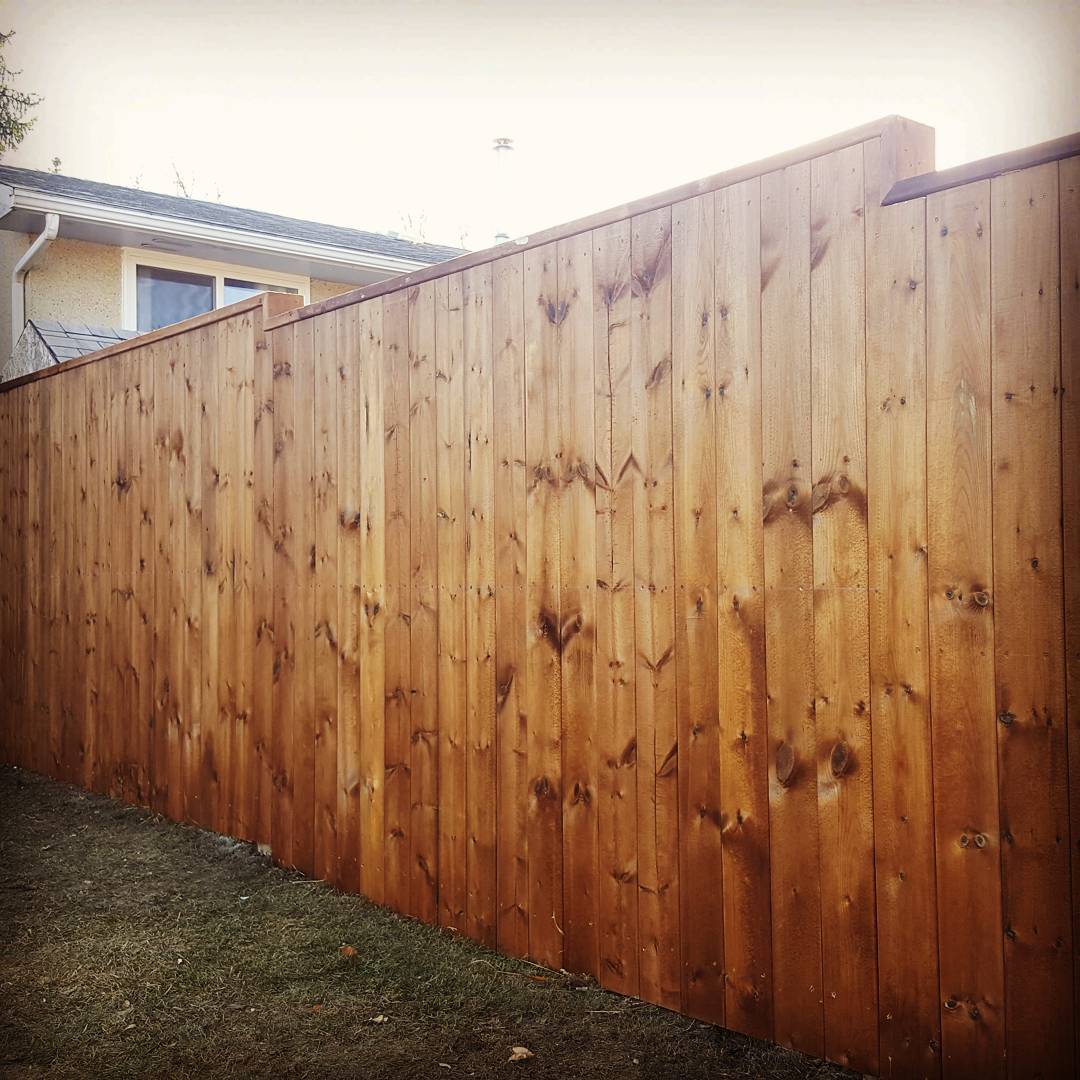
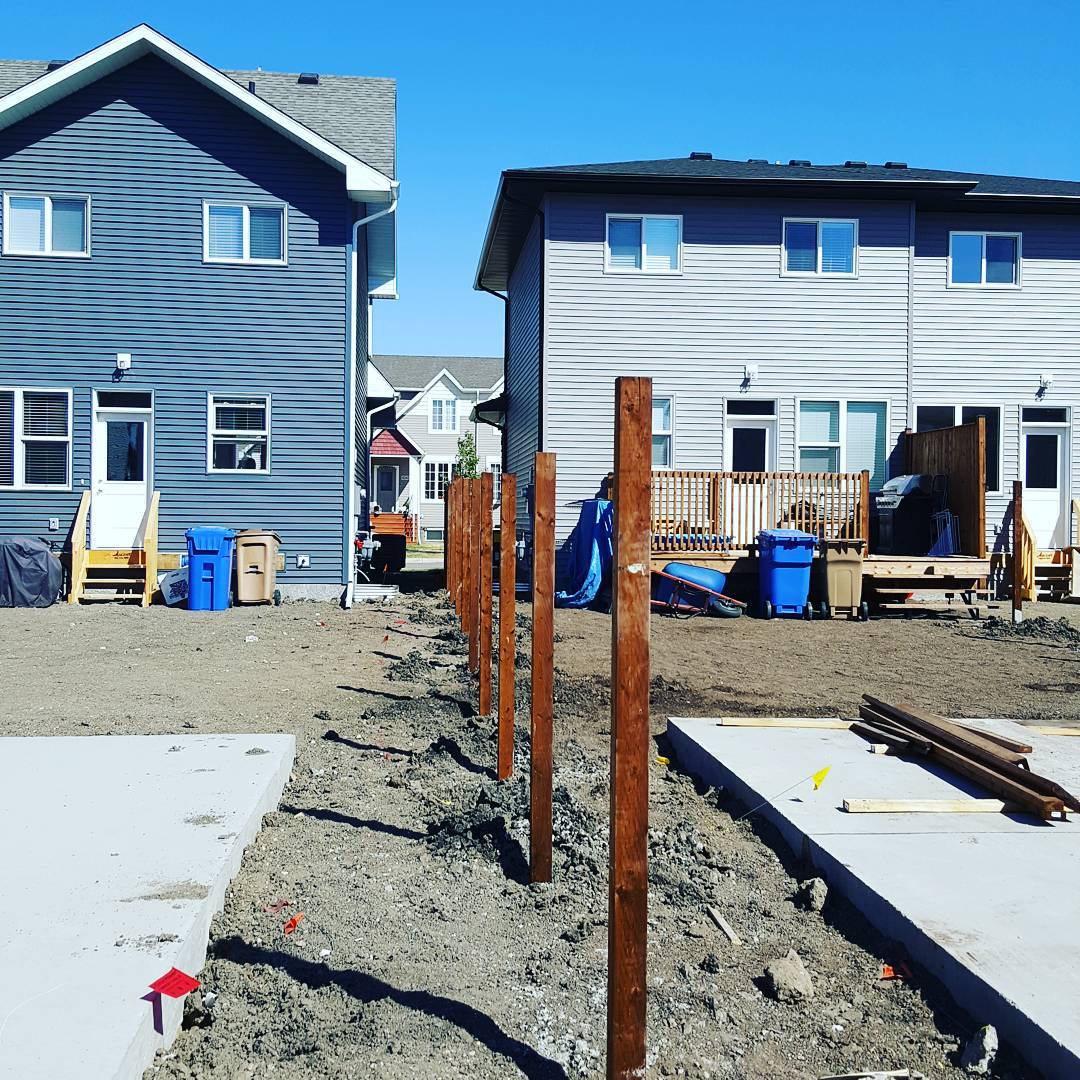
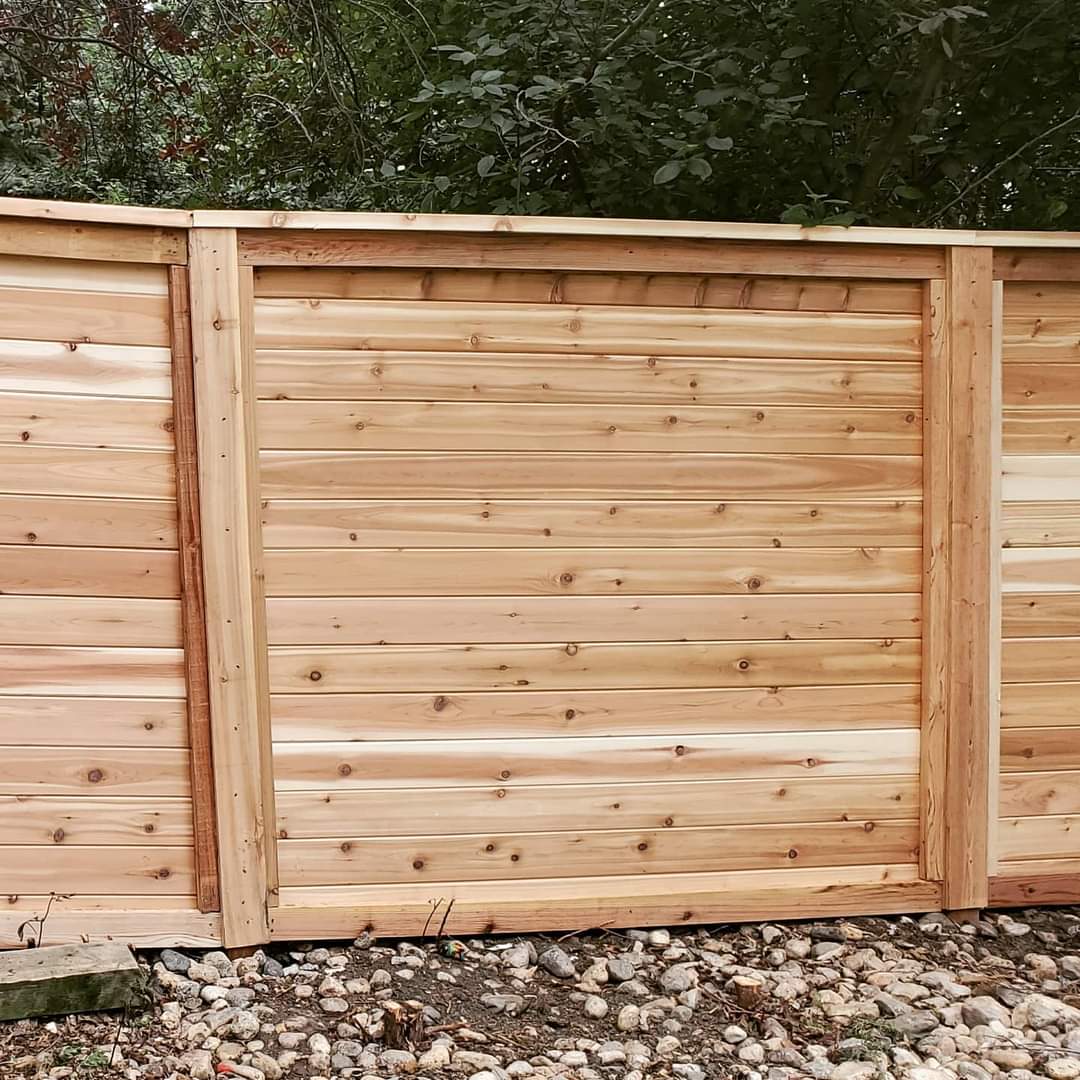
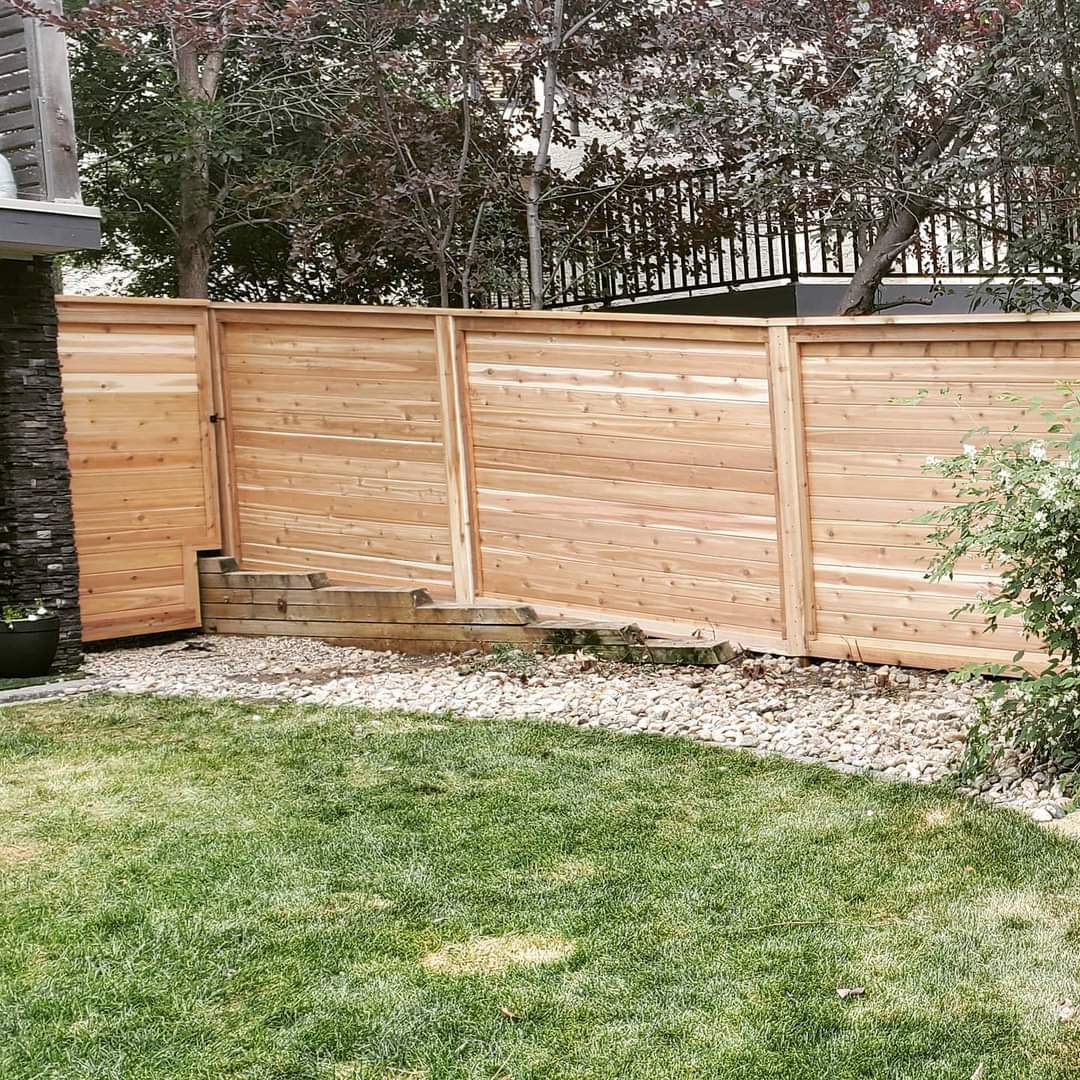
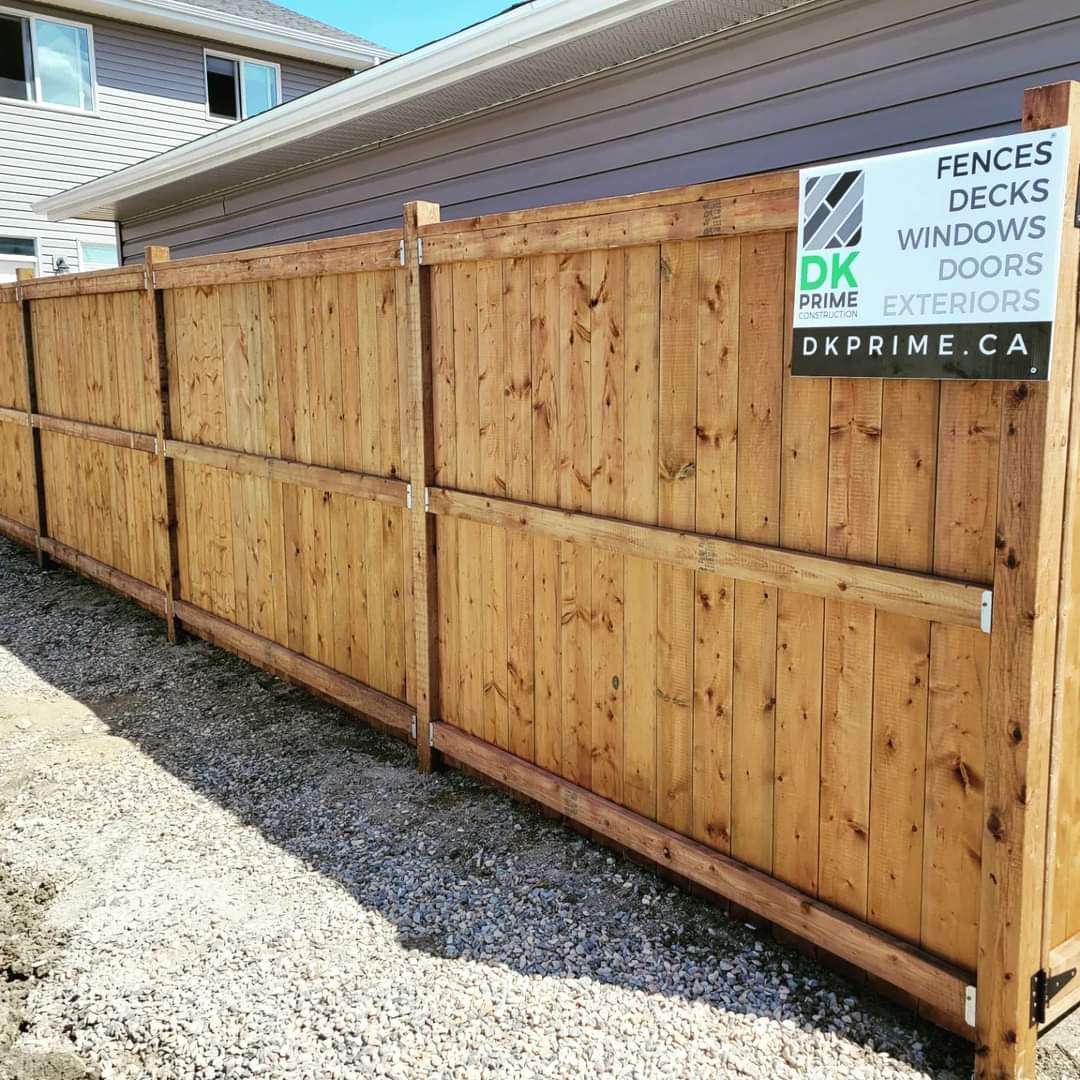
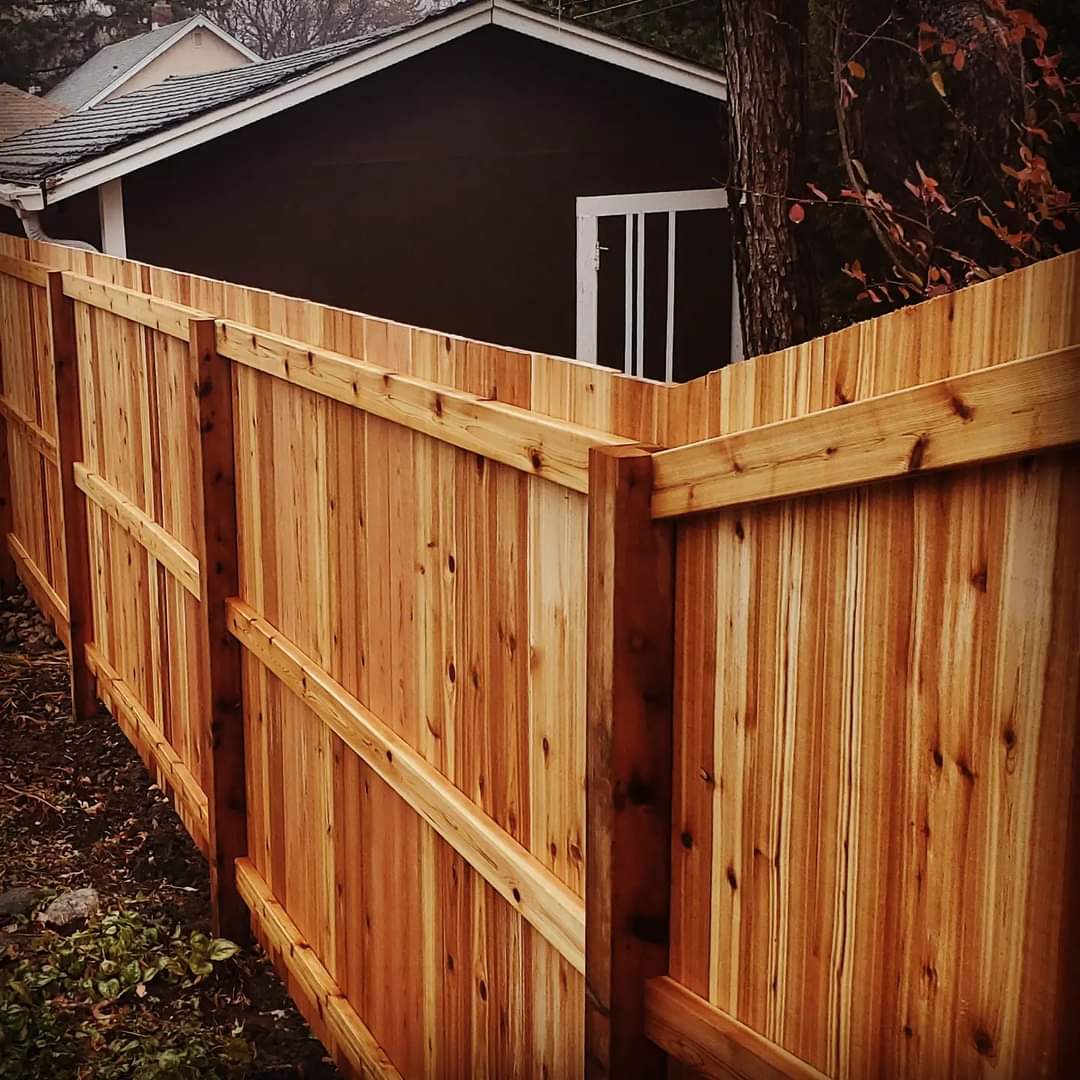
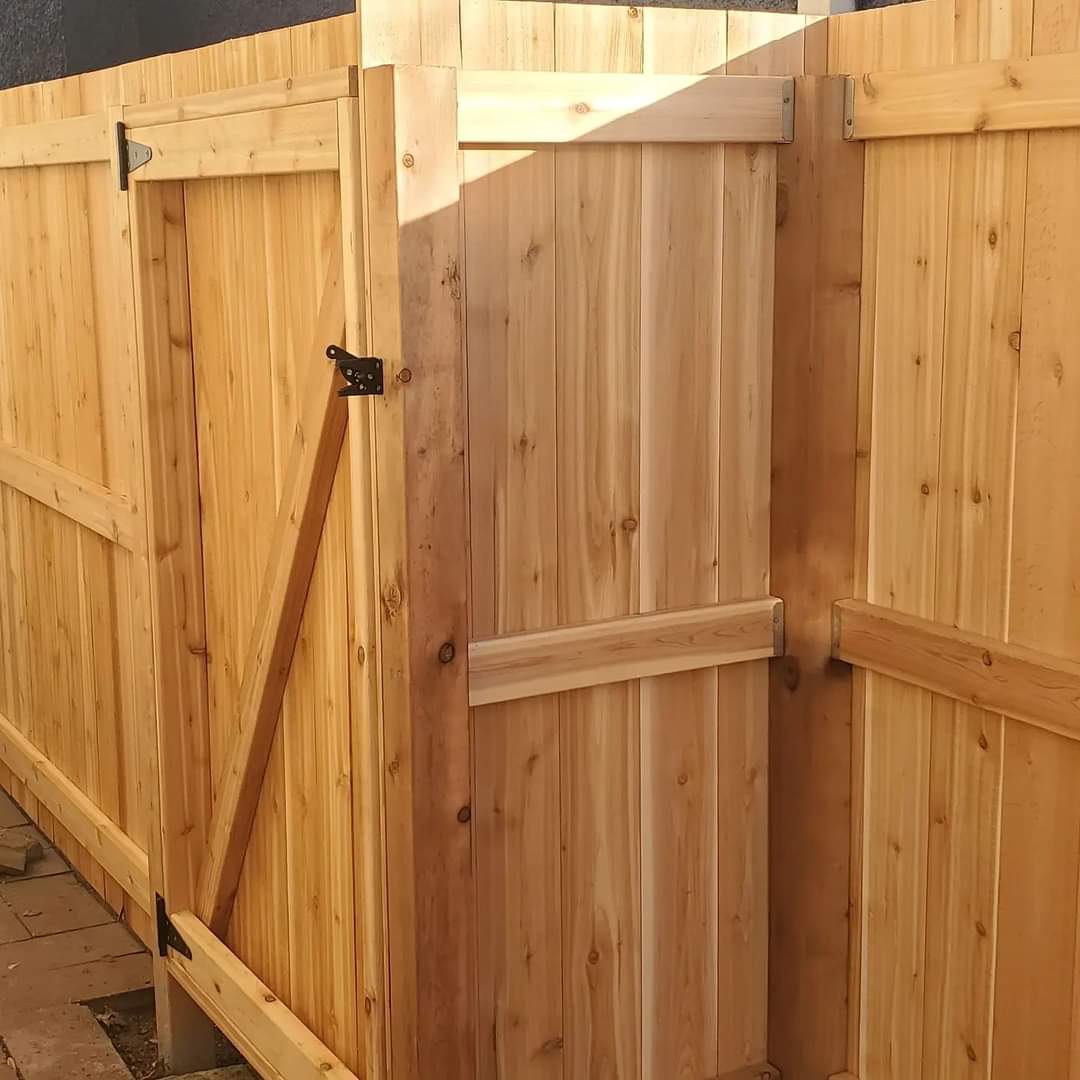
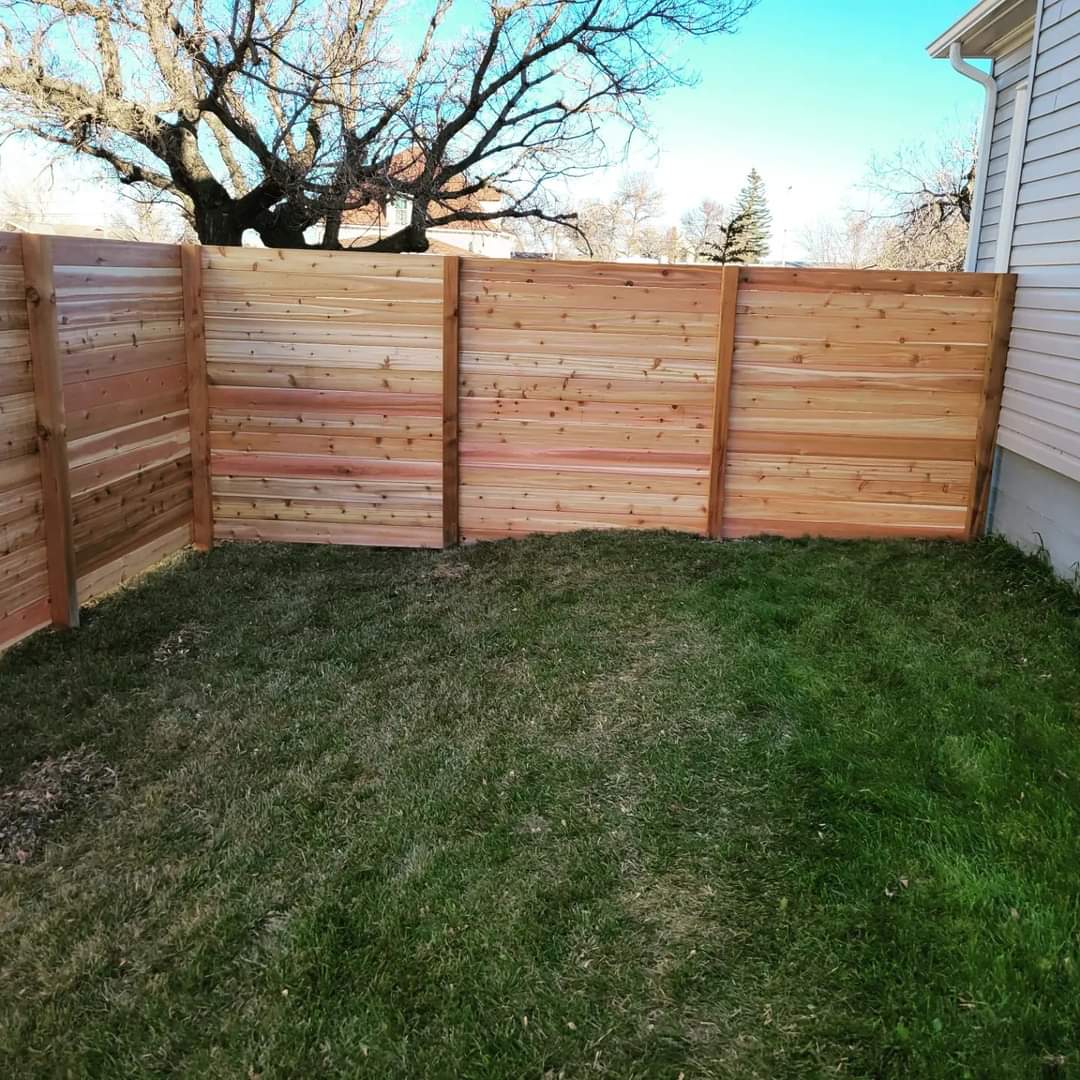
Wood Fence Gallery
Choosing between cedar and pressure-treated wood for fencing depends on your priorities.
Priorities such as:
- appearance,
- durability,
- cost,
- and maintenance.
Here’s why people choose either material. Along with pros and cons to help guide your decision:

Why Choose Cedar Fence Material
Pros:
- Natural beauty: Cedar has a warm, rich color and a smooth, straight grain that looks high-end.
- Rot-resistant. Cedar contains oils that repel insects and resist decay without chemical treatment.
- Less warping: Cedar is stable and less likely to warp or shrink over time.
- Smells great: It has a fresh, pleasant scent.
Cons:
- Higher cost: More expensive than pressure-treated wood.
- Needs sealing or staining: While resistant, it still benefits from a protective coating.
- Softer wood: More prone to dings and scratches compared to treated lumber.
See what our customers are saying.

Award Winning Contractors
Why Choose Pressure-Treated Wood
Pros:
- Affordable: Generally cheaper than cedar. Making it ideal for larger fences or budget projects.
- Long-lasting with treatment: Chemically treated to resist rot, decay, and insects.
- Durable: Denser and tougher than cedar—great for high-traffic or utility areas.
Cons:
- Chemicals: Treated with preservatives. Some people prefer not to use it for that reason.
- Appearance: May have a greenish tint when new and can be rougher-looking.
- Needs time before staining: Should weather for a few months before applying paint or
PROJECT GALLERY
FENCES | DECKS | EXTERIORSDK Prime will help design, build and install a wood or vinyl fence.
When choosing a fence for your home, consider factors such as the purpose of the fence, local regulations, and the aesthetics that complement your property.